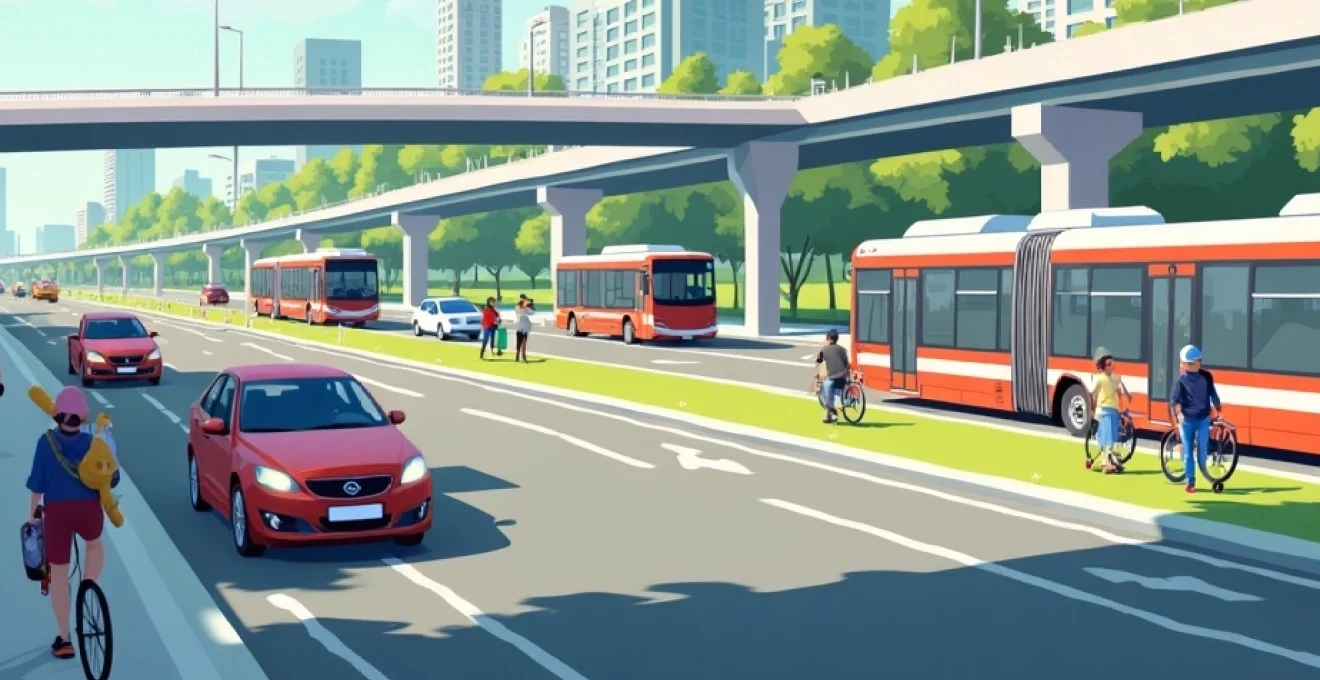
Transportation infrastructure forms the backbone of modern society, shaping the way we live, work, and interact within our communities. From bustling urban centers to quiet rural towns, the design and quality of transport networks profoundly influence local economies, environmental conditions, and social dynamics. As cities grow and technology advances, understanding the multifaceted impacts of transportation systems on communities becomes increasingly crucial for policymakers, urban planners, and citizens alike.
The intricate web of roads, railways, airports, and public transit systems does more than simply move people and goods from point A to point B. It creates opportunities, defines neighborhoods, and can either bridge or exacerbate social divides. By examining the various ways in which transportation infrastructure affects local communities, we can gain valuable insights into how to build more sustainable, equitable, and vibrant cities for the future.
Urban mobility patterns and transportation network design
The design of transportation networks significantly influences urban mobility patterns, shaping how residents navigate their daily lives. Effective network design can reduce congestion, improve accessibility, and enhance the overall quality of life in cities. However, poorly planned systems can lead to traffic bottlenecks, isolated neighborhoods, and increased pollution.
One of the key challenges in urban transportation planning is balancing the needs of various modes of transport. This includes accommodating private vehicles, public transit, cyclists, and pedestrians. Cities that prioritize multi-modal transportation options often see benefits in terms of reduced congestion and improved air quality. For instance, dedicated bus lanes and protected bike paths can encourage more sustainable travel choices.
Moreover, the concept of complete streets has gained traction in recent years. This approach ensures that streets are designed to be safe and accessible for all users, regardless of age, ability, or mode of transportation. By implementing complete street designs, communities can foster more inclusive and vibrant urban environments.
Well-designed transportation networks are the arteries of thriving communities, enabling efficient movement and fostering economic growth.
Urban planners must also consider the long-term impacts of transportation infrastructure on city development. The placement of major transit hubs, for example, can spur economic activity and shape land use patterns for decades to come. This phenomenon, known as transit-oriented development (TOD), encourages high-density, mixed-use development around transit stations, creating walkable communities and reducing car dependency.
Economic impacts of infrastructure development
The development of transportation infrastructure can have profound economic effects on local communities. These impacts range from immediate job creation to long-term shifts in regional economic competitiveness. Understanding these economic dynamics is crucial for policymakers and community leaders seeking to leverage infrastructure investments for maximum benefit.
Job creation in construction and maintenance sectors
One of the most direct economic impacts of transportation infrastructure projects is job creation. Large-scale initiatives such as highway expansions, bridge constructions, or new transit lines generate significant employment opportunities in the construction sector. These jobs often provide well-paying positions for skilled laborers and can stimulate local economies through increased consumer spending.
Beyond the initial construction phase, ongoing maintenance and operation of transportation systems create long-term employment. This includes roles such as transit operators, maintenance crews, and administrative staff. The stability of these jobs can contribute to the overall economic resilience of a community.
Property value fluctuations near transit hubs
The proximity to efficient transportation options can significantly influence property values. Areas near transit hubs, particularly those with robust public transportation systems, often see increases in both residential and commercial property values. This phenomenon, known as the transit premium , can lead to neighborhood revitalization and increased tax revenues for local governments.
However, it’s important to note that these value increases can also lead to gentrification concerns. As property values rise, long-time residents may face affordability challenges. Balancing the economic benefits of transit-oriented development with the need for affordable housing is a critical consideration for urban planners and policymakers.
Business clustering along transportation corridors
Well-designed transportation corridors can act as magnets for business development. Companies often choose to locate near major transportation arteries to benefit from improved accessibility for employees and customers. This clustering effect can lead to the formation of business districts and specialized economic zones.
For example, the development of a new light rail line might spur the growth of a technology corridor, with startups and established firms alike setting up offices near transit stops. This concentration of businesses can foster innovation, increase productivity through agglomeration economies, and enhance the overall economic viability of a region.
Tourism revenue changes from improved accessibility
Improved transportation infrastructure can have a significant impact on a region’s tourism industry. Enhanced accessibility through better roads, airports, or public transit systems can make destinations more attractive to visitors. This increased tourism can lead to job creation in the hospitality sector and boost local economies through increased spending.
Additionally, transportation projects themselves can become tourist attractions. Iconic bridges, historic train stations, or innovative transit systems can draw visitors and contribute to a city’s brand identity. The transportation infrastructures and logistics network management play a crucial role in facilitating this tourism-driven economic growth.
Environmental considerations in transport infrastructure
While transportation infrastructure is essential for economic development and mobility, it also has significant environmental implications. Addressing these environmental concerns is crucial for creating sustainable and livable communities.
Air quality alterations from vehicle emissions
One of the most pressing environmental issues related to transportation is air pollution from vehicle emissions. The concentration of pollutants such as particulate matter, nitrogen oxides, and carbon monoxide can have severe health impacts on local populations. Cities grappling with poor air quality often look to transportation solutions as a key part of their environmental strategies.
Efforts to mitigate air pollution from transportation sources include:
- Promoting electric and hybrid vehicles
- Implementing low emission zones in city centers
- Enhancing public transportation to reduce private vehicle usage
- Encouraging active transportation modes like cycling and walking
The shift towards cleaner transportation technologies and practices can lead to significant improvements in urban air quality, benefiting public health and quality of life.
Noise pollution mitigation techniques
Noise pollution from transportation sources can have detrimental effects on community well-being, including sleep disturbances and increased stress levels. Addressing noise pollution requires a multi-faceted approach that considers both infrastructure design and vehicle technology.
Some effective noise mitigation strategies include:
- Installing sound barriers along busy roadways
- Using noise-reducing pavement materials
- Implementing vehicle noise regulations
- Designing quieter public transit vehicles
By incorporating these techniques into transportation planning, communities can create more peaceful urban environments that support better health outcomes for residents.
Habitat fragmentation and wildlife corridor planning
The construction of transportation infrastructure can lead to habitat fragmentation, disrupting ecosystems and wildlife movement patterns. This fragmentation can have severe consequences for biodiversity and ecological health. To address this issue, transportation planners are increasingly incorporating wildlife corridors into their designs.
Wildlife corridors are designated pathways that allow animals to safely cross transportation barriers such as highways. These can take various forms, including:
- Overpasses designed specifically for wildlife crossings
- Underpasses and culverts modified to accommodate animal movement
- Fencing systems that guide animals to safe crossing points
By integrating these features into transportation projects, communities can maintain ecological connectivity and reduce wildlife-vehicle collisions, benefiting both nature and human safety.
Green infrastructure integration in transport projects
The concept of green infrastructure is gaining traction in transportation planning as a way to address multiple environmental challenges simultaneously. Green infrastructure refers to natural and semi-natural elements integrated into the built environment to provide ecological and hydrological functions.
In the context of transportation, green infrastructure can include:
- Bioswales and rain gardens for stormwater management
- Tree-lined streets for shade and air quality improvement
- Green roofs on transit stations for energy efficiency
- Permeable pavements to reduce runoff and replenish groundwater
By incorporating these elements into transportation projects, communities can create more resilient and environmentally friendly infrastructure that provides multiple ecosystem services.
Social equity and accessibility in transportation systems
Transportation infrastructure plays a crucial role in shaping social equity and accessibility within communities. Well-designed systems can promote inclusivity and improve quality of life for all residents, while poorly planned networks can exacerbate existing inequalities.
Transit-oriented development (TOD) implementation
Transit-Oriented Development (TOD) is an urban planning approach that focuses on creating compact, walkable communities centered around high-quality public transportation. TOD can significantly enhance social equity by improving access to jobs, services, and amenities for residents who may not have access to private vehicles.
Key principles of successful TOD implementation include:
- Mixed-use development combining residential, commercial, and public spaces
- High-density housing options near transit stations
- Pedestrian and bicycle-friendly street designs
- Reduced parking requirements to encourage public transit use
By promoting TOD, communities can create more inclusive urban environments that support diverse populations and reduce reliance on car ownership.
Mobility options for disadvantaged communities
Ensuring that disadvantaged communities have access to reliable and affordable transportation options is essential for promoting social equity. This often requires targeted investments and policy interventions to address historical disparities in transportation access.
Strategies to improve mobility for disadvantaged communities include:
- Subsidized transit fares for low-income residents
- Expanded bus routes to underserved neighborhoods
- Community-based ride-sharing programs
- Investments in safe walking and cycling infrastructure
By prioritizing these initiatives, cities can work towards more equitable transportation systems that support social mobility and economic opportunity for all residents.
Universal design principles in public transport
Universal design in public transportation ensures that transit systems are accessible and usable by people of all abilities. This approach goes beyond basic compliance with accessibility regulations to create truly inclusive transportation environments.
Key elements of universal design in public transport include:
- Level boarding for trains and buses
- Clear and intuitive wayfinding systems
- Tactile paving for visually impaired users
- Adequate space for wheelchairs and mobility devices
By embracing universal design principles, transportation planners can create systems that are more comfortable and convenient for all users, regardless of age or ability.
Last-mile connectivity solutions
Last-mile connectivity refers to the challenge of getting people from transportation hubs to their final destinations. This is often one of the most difficult aspects of trip planning and can be a significant barrier to public transit use.
Innovative last-mile solutions include:
- Bike and scooter sharing programs
- On-demand shuttle services
- Pedestrian-friendly streetscapes
- Integration of ride-hailing services with public transit
By addressing last-mile connectivity issues, communities can make public transportation more attractive and accessible to a wider range of users, reducing car dependency and promoting more sustainable travel habits.
Smart city integration and technological advancements
The integration of smart technologies into transportation infrastructure is revolutionizing how cities manage mobility and improve urban life. These advancements offer opportunities to enhance efficiency, safety, and sustainability in transportation systems.
Intelligent transportation systems (ITS) deployment
Intelligent Transportation Systems (ITS) use advanced technologies to collect, process, and disseminate information about transportation networks. These systems can significantly improve traffic flow, reduce accidents, and enhance the overall efficiency of urban mobility.
Key components of ITS include:
- Adaptive traffic signal control
- Electronic toll collection
- Variable message signs for real-time traffic information
- Incident detection and management systems
The deployment of ITS can lead to reduced congestion, improved air quality, and enhanced safety for all road users.
Real-time data analytics for traffic management
The proliferation of sensors and connected devices in urban environments has enabled the collection of vast amounts of real-time data on traffic patterns and transportation system performance. This data can be analyzed to make informed decisions about traffic management and infrastructure improvements.
Applications of real-time data analytics in traffic management include:
- Predictive congestion modeling
- Dynamic routing for public transit vehicles
- Parking availability information systems
- Demand-responsive transit services
By leveraging these analytics capabilities, cities can create more responsive and efficient transportation networks that better serve the needs of residents and visitors.
Autonomous vehicle infrastructure requirements
As autonomous vehicle technology continues to advance, cities must consider the infrastructure requirements needed to support these vehicles. While fully autonomous vehicles are not yet widespread, planning for their eventual integration is crucial for future-proofing transportation systems.
Key infrastructure considerations for autonomous vehicles include:
- High-precision mapping and GPS systems
- Vehicle-to-infrastructure (V2I) communication networks
- Dedicated lanes or zones for autonomous vehicles
- Updated traffic laws and regulations
By proactively addressing these requirements, communities can position themselves to capitalize on the potential benefits of autonomous vehicles, such as increased safety and reduced congestion.
Micromobility and shared mobility platforms
Micromobility solutions, such as e-scooters and bike-sharing programs, are rapidly changing the urban transportation landscape. These services offer flexible, environmentally friendly alternatives for short trips and can help address last-mile connectivity challenges.
To successfully integrate micromobility into urban transportation systems, cities must consider:
- Dedicated infrastructure for micromobility vehicles
- Regulations governing the use and parking of shared vehicles
- Integration with existing public transit systems
- Data sharing agreements with micromobility providers
By embracing micromobility and shared mobility platforms, communities can offer residents more diverse and flexible transportation options, reducing reliance on private vehicles and promoting more sustainable urban mobility.
Resilience and adaptation in infrastructure planning
As climate change and other environmental challenges pose increasing threats to urban infrastructure, building resilience into transportation systems has become a critical priority for cities worldwide. Resilient infrastructure is designed to withstand and recover from various stresses and shocks, ensuring continued functionality and safety for communities.
Climate change considerations in design standards
Incorporating climate change projections into infrastructure design standards is essential for creating transportation systems that can withstand future environmental challenges. This approach, known as climate-resilient design , involves assessing potential climate impacts and implementing adaptive measures to mitigate risks.
Key considerations in climate-resilient design include:
- Elevated infrastructure to account for sea-level rise
- Heat-resistant materials for roads and rail lines
- Improved drainage systems for increased precipitation
- Wind-resistant designs for bridges and overhead structures
By integrating these considerations into infrastructure planning, communities can build transportation systems that are better equipped to handle the impacts of a changing climate.
Disaster response capabilities of transport networks
Transportation
networks play a crucial role in disaster response and recovery efforts. Resilient transportation systems can facilitate rapid evacuation, emergency service access, and the distribution of essential supplies during and after disasters. Enhancing the disaster response capabilities of transport networks involves:
- Redundancy in critical infrastructure to ensure alternative routes
- Robust communication systems for coordinating emergency responses
- Strategically located emergency supply depots
- Adaptable transit vehicles that can be repurposed for emergency operations
By investing in these capabilities, communities can improve their ability to respond effectively to natural disasters, terrorist attacks, or other emergencies, minimizing the impact on residents and accelerating recovery efforts.
Adaptive management strategies for infrastructure longevity
Adaptive management is an approach that allows for flexibility and continuous improvement in infrastructure planning and maintenance. This strategy is particularly important given the long lifespan of transportation infrastructure and the uncertainties associated with future technological, environmental, and social changes.
Key elements of adaptive management in transportation infrastructure include:
- Regular monitoring and assessment of infrastructure performance
- Flexible design standards that can accommodate future modifications
- Phased implementation of large-scale projects to allow for adjustments
- Incorporation of emerging technologies and materials as they become available
By adopting adaptive management strategies, communities can ensure that their transportation infrastructure remains effective, efficient, and relevant over time, even as conditions and needs evolve.